
Fitness & Exercise Basics
Why Exercise?
- Regular physical activity offers a multitude of benefits. One of the most important being disease prevention. However, exercise also provides a variety of other meaningful, positive changes in people’s daily lives.
- These benefits include improved sleep, enhanced mood and quality of life, and the ability to perform daily tasks more easily and effectively.
- In older adults, physical activity not only reduces risk of falls and fall-related injuries but also allows them to live independently for longer periods of time. Additionally, exercise may improve overall cognitive function, in addition to enhancing physicall capabilities.
- This includes memory, attention and higher order executive functions such as the ability to plan and organize, as well as better control of emotions and impulses. Additionally, exercise has been linked to better academic performance among youth.
Physiological changes of aerobic and anerobic exercises
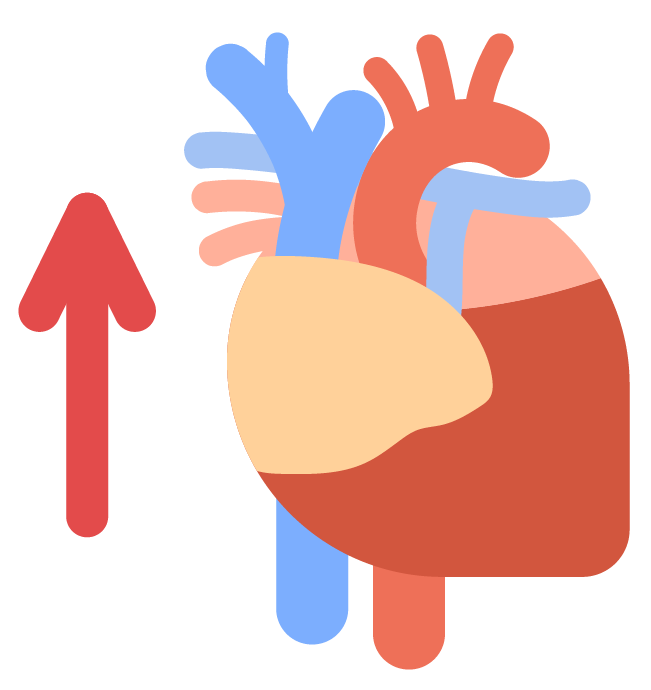
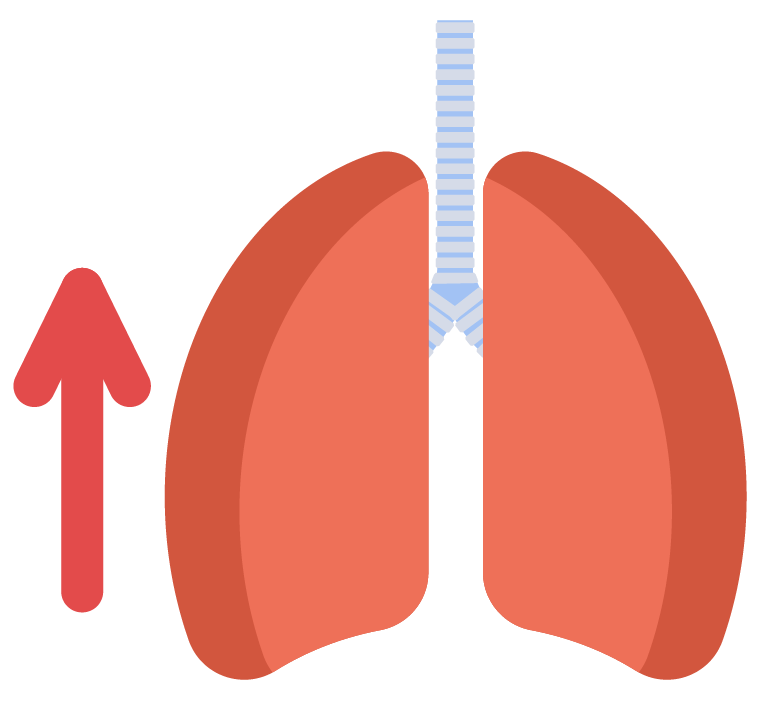
Exercise can exert an extreme form of stress to the body, as high as 2000% during marathon race [1]. Three main systems – musculoskeletal, respiratory(lungs) and cardiovascular(heart) – are heavily involved and undergo significant changes during exercise.
At rest, our bodies primarily operate under a baseline parasympathetic tone, while the sympathetic system is activated only during exercise, causing a cascade of physiological changes.

Importance of daily physical activity in Adult
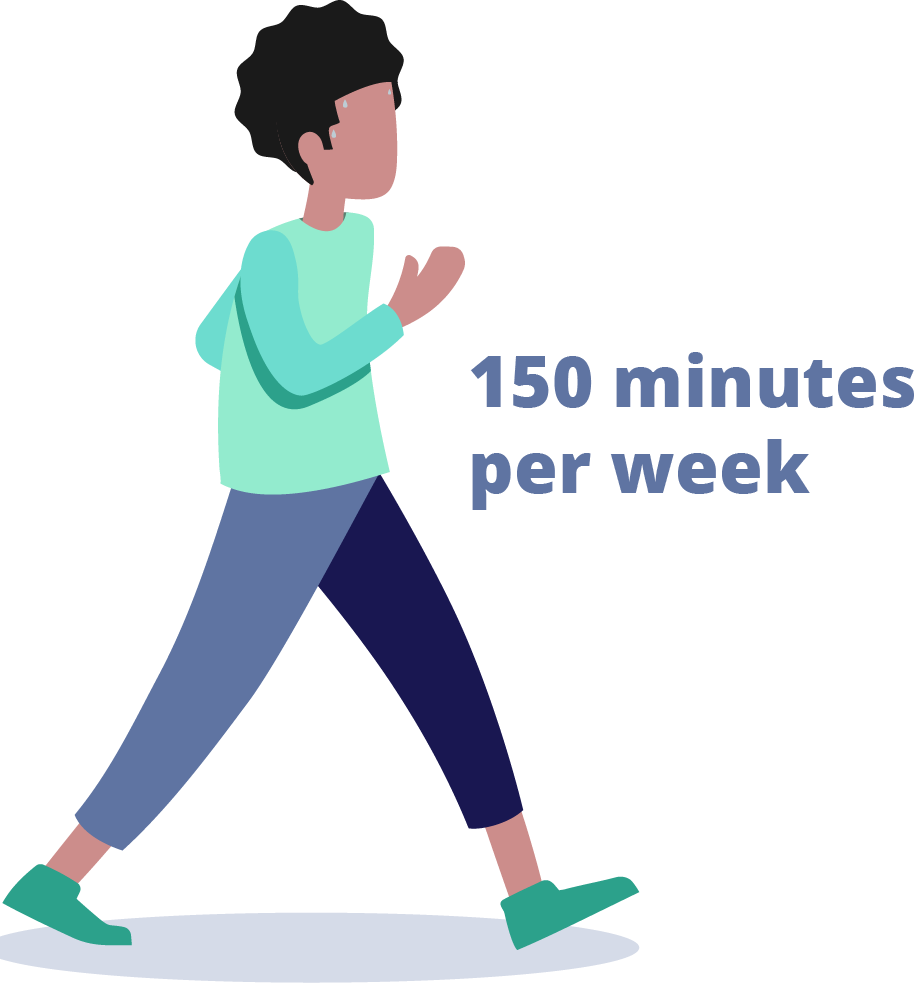
There is no doubt that daily physical activity is essential for a healthy lifestyle. Research consistently shows that the health benefits of physical activity accumulate over time. Some health advantages are immediate following an episode of physical activity. Others emerge with as little as 60 minutes of activity per week. Studies indicate that a total of at least 150 minutes per week of moderate-intensity aerobic activity, such as brisk walking, significantly reduces the risk of many chronic diseases and other adverse health outcomes.
Target heart rate and exercise intensity
For your safety there are a few things you should know before exercising.
- Resting Heart Rate: The resting heart rate is the number of heartbeats per minute while at rest. The normal range is typically between 60 and 100 beats per minute.
- Maximum Heart Rate: The maximum heart rate is often estimated using the formula: 220 minus your age in years.
- Target Heart Rate: The target heart rate depends on the intensity of exercise. For moderate-intensity activities, it should be between 50-70% of your maximum heart rate. For vigorous physical activity, aim for 70-85% of your maximum heart rate.
References
1.Karvonen J, Lemon PW, Iliev I, eds. Medicine in Sports Training and Coaching. Basel, Switzerland: S Karger Publishers; 1992.