A breakdown of what's actually in the food you eat, including nutrients, additives, and what to look for on labels.
Diet Contents
Nutrition Fundamentals
Nutrition fundamentals encompass the basic principles and components that are essential for maintaining a healthy diet. Understanding these fundamentals is key to making informed dietary choices.
A whole grain includes the endosperm, germ, and bran, whereas refined grain contains only the endosperm.
Whole grains have plenty of vitamins, fiber, and other vital nutrients. The 2020-2025 Dietary Guidelines for Americans recommend eating more whole grains than refined-grain products whenever possible. [1]
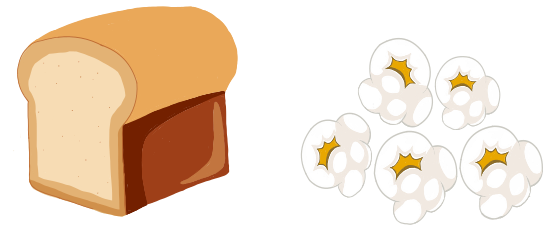
Some of whole grains include whole wheat, oatmeal, whole Barley, brown rice, buckwheat, bulgur (cracked wheat), millets, popcorn and whole-wheat bread, pasta or crackers.
The goal should be to get all the nutrients as naturally as possible.
Eating fruits and vegetables is beneficial.
Whole grains are more nutritious than refined grains and contain bran and germ, which are rich sources of fiber, vitamins, minerals, and healthy fat.
Fiber is a carbohydrate that the body cannot digest, and in itself, it doesn’t have nutritional value. But it is essential for the body.
Water-soluble fiber could help lower blood glucose levels. Insoluble fibers help food move through the gut keeping digestive system clean and prevents constipation. A diet low in fiber has been linked to an increased risk of diabetes, and a higher fiber diet is associated with a lower risk of heart disease and breast cancer [5-8]. The Academy of Nutrition and Dietetics recommends consuming about 14 grams of fiber for every 1,000 calories per day. In the daily life, one should have ~24-35 grams of fiber per day.
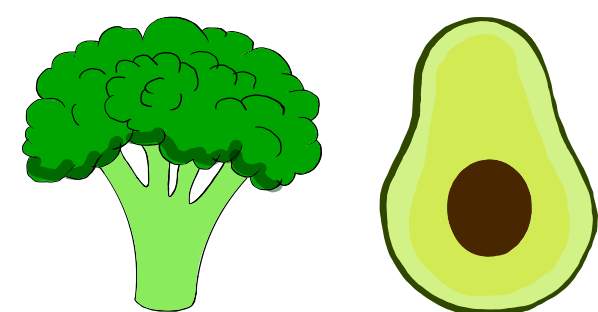
Whole grains, legumes, nuts, beans, and various other whole fruits and vegetables are rich fiber sources. Foods that are especially rich in fibers are pears, strawberries, avocado, apples, raspberries, bananas, carrots, beets, broccoli, artichoke, brussels sprouts, kale, tomatoes, spinach, lentils, kidney beans, split peas, chickpeas, quinoa, oats, popcorn, almonds, and chia seeds.
Vitamins and minerals are micronutrients needed by the body in small amounts for normal functioning, growth, healing, and metabolism.
There are mainly two types of vitamins –fat-soluble and water-soluble. Vitamin A, D, E, K are fat-soluble and are stored in body fat and liver for future use. They help support vision, immune system and blood clotting, and provide antioxidants against inflammation. Water-soluble vitamins B and C are excreted through urine and need be replenished regularly.
Minerals are inorganic substances found in soil and water and are absorbed by plants and eventually consumed by animals. Calcium, sodium, potassium, magnesium, and phosphorus are common minerals required by the body. Besides, trace minerals such as iron, manganese, copper, zinc, and selenium are also needed in a small amount. A wide range of fruits, vegetables, whole grains, fishes, and animal products are good sources of vitamins and minerals.
In daily life, eating a balanced diet is the key to provide a variety of vitamins and minerals and dietary factors that are not found in a vitamin or mineral supplement.
Dietary Balance
Balancing the intake of different nutrients to support the body’s needs is a key concept in nutrition.
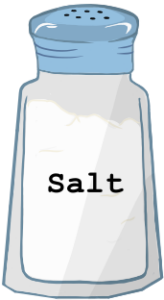
Salt, widely used in our diet, is the source of sodium. Different types of salt are available in the market. Most commonly used, table salt is extracted from underground salt mines. Often, iodine, a trace mineral, is added to prevent goiter and other thyroid disorders. Sea salt is produced by evaporating water from seawater. The pink Himalayan salt, mined from the Himalayan mountain range in Asia, may have additional trace minerals except for iodine and should not replace table salt completely. Processed and prepackaged foods, as well as canned soda, have high sodium content.
Too much or too little salt intake is not recommended.
Potassium plays a vital role in the normal physiology, and any imbalance (high or low) could lead to detrimental effects on our health.
The average daily requirement is approximately 3.4 g for men and 2.6 g for women.
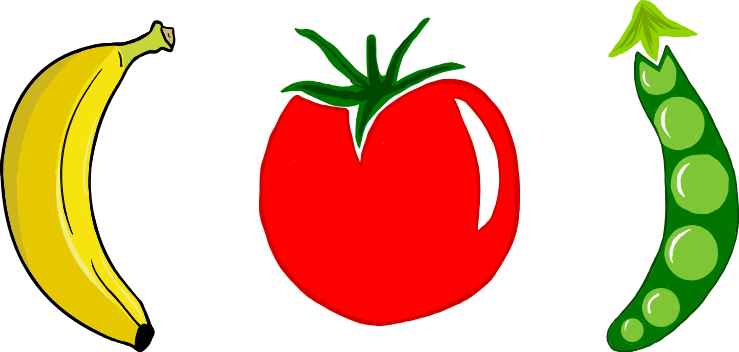
Avocados, bananas, potatoes, spinach, mushrooms, lima beans, peas, tomatoes, oranges, melons, prunes, apricots, raisins, dates, tuna, and molasses are some excellent sources of potassium.
Sugar in our diet can naturally occur, such as in fruits (sucrose and fructose) and milk (lactose). On the other hand, refined sugars are often added to food while preparation or processing, such as cookies, cakes, candies, soft drinks, ice cream, sweetened yogurt, pies, waffles, etc. In general, one should avoid food high in sugar.
The benefit of dairy products is somewhat controversial as not all dairy products are the same. The nutrition contents will vary greatly depending on where is come from and how the dairy was processed.
Humans by nature drink mother’s milk as infant as a major nutrition source but they don’t require to consume dairy as adults. Therefore, it is unnatural to eat dairy products in adult. But in certain cultures, dairy products are regularly consumed for many years, so counter argument is that it is natural to consume.
What are the nutrient content?
A single cup (237 ml) of 2% milk contains (9):
Calcium: 286 mg — 22% of the RDI
Riboflavin (vitamin B2): 26% of the RDI
Vitamin B12: 18% of the RDI
Potassium: 8% of the RDI
Phosphorus: 22% of the RDI
Moreover, it also includes d vitamin A, vitamins B1 and B6, selenium, zinc, magnesium, 4.82 grams of fat, 8 grams of protein, and 12 grams of carbs.
Nutrient composition is vastly different among various dairy products. Cow's milk raised on pasture has more omega-3 fatty acids, while 500% more conjugated linoleic acid (CLA) includes cows' milk raised on grass [10,11].
Heart disease and Dairy products
It is well known that milk increases the risk of heart disease due to the higher saturated fat content. Although there is mixed evidence of heart disease risk with dairy products, the review of 10 studies showed that milk was linked to a small reduction of stroke and cardiac events [12].
However, dairy products obtained from cows with mostly grass-fed are associated with reductions in heart disease and stroke risk [13]. With no clear evidence of milk consumption, public health guidance or guidelines suggest eating a minimal amount of dairy products.
Effect on Bones
Dairy products have a rich source of calcium which is the main mineral of the bones and other nutrients necessary for bone health. Shreds of evidence suggest that dairy products improve bone density, reduced osteoporosis, and lower the risk of fractures in old adults [14,15].
Furthermore, full-fat dairy is linked to a reduced risk of obesity and diabetes [16].
Conclusion
Whether Dairy products are healthy or not is a matter of debate and remains unclear. If you enjoy dairy products, there is no substantial evidence to avoid them. Be mindful to avoid any added sugar to dairy products.
Healthy Choices
The consumption of healthy fats or oil is to replace the saturated and trans fats with the monosaturated or polyunsaturated fats in daily diet.
What that means in daily life is to use a healthier oil. Despite various cooking oils in the market, there are common cooking oils that contain healthy fats; canola, corn, olive, peanut, safflower, soybean, and sunflower.
An antioxidant is a buzzword that you may have heard multiple times via media, newspaper, or friends. However, most people didn’t know what that means.
Antioxidants play a significant role in blocking free radical production and oxidative stress. The main antioxidants are vitamins A, C, E, and the mineral selenium. Your body produces free radicals as the inevitable byproduct of the metabolic process of energy production. However, free radicals can come from various sources such as radiation, drugs, pesticides, cigarette smoke, and other pollutants [1]. When free radicals are accumulated more than your body can handle, a condition called oxidative stress emerges.
The mechanical aspect of free radicals in the body is intricate and complex. Though free radicals are the byproduct of cell metabolism, they are also used to fight infection in your body and are cleared by antioxidants. However, the balance between free radicals and antioxidants should be maintained at a certain level.
Excess free radicals may lead to oxidative stress that may damage DNA structures, cells, and proteins. Hence, free radicals are known to be associated with various problems: including cancer, atherosclerosis, Alzheimer’s disease, Parkinson’s disease, and other chronic diseases. Moreover, free radicals are related to the human aging process, probably due to cellular DNA damage over time [2].
Our body is well equipped with various defense mechanisms to counter free radicals. Antioxidants, obtained from different foods, are an important one to fight extra free radicals.
Other factors that promote free radicals formation and oxidative stress include alcohol, smoking, increased intake of polyunsaturated fatty acids, intense and prolonged exercise, antioxident deficiency, air pollution, infections and toxins.
How do we know that we have extra free radicals?
Direct measurement of free radicals is not used in daily clinical practice, although there are some available tests for research purposes. We need to be cautious to use free radical tests due to lack of validity or accuracy.
Antioxidants are found in diverse foods, plant, and animal products. There are approximately more than 3,100 foods, beverages, spices, herbs, and supplements being used worldwide containing antioxidants [3]. The well-known antioxidants are vitamin C, vitamin E, beta-carotene, and the minerals selenium and manganese.
Top antioxidant-rich foods include avocado, artichokes, apricots, berries, beans, broccoli, carrots, capsicum, coffee, dark chocolate, green tea, garlic, grapes and grapefruit, kale, kiwi, mango, nuts, oranges, onion, poultry, parsley, pumpkin, red wine, red cabbage, strawberries, spinach, seafood, and tea.
Common Misconceptions of Antioxidants
Free radicals are unstable molecules that require to combine with electrons.
Once free radicals steal electrons, it could alter the cell’s structure and function that loses electrons.
The term “Antioxidant” is confusing and misleading as it is simply an electron donor.
Generally, it is thought that all antioxidants are interchangeable. But they aren’t. Their biochemical behaviors are unique and different; hence, no single substance can replace the other.
Benefits of Antioxidants
Antioxidants gained public attention in the 1990s after researchers started to understand free radicals' role in the early development of atherosclerosis.
However, further research studies showed the mixed result. A systemic review and analysis including 68 randomized trials with 232 606 participants (385 publications) revealed that treatment with beta carotene, vitamin A, and vitamin E might increase mortality while the potential roles of vitamin C and selenium on mortality remain unclear [4]. Another study called Physicians' Health Study II used beta carotene and other vitamin supplements for cognitive performance and reported potential cognitive benefits with long-term supplementation (18 years follow-up) [5].
Based on current scientific evidence, there is no firm evidence of taking vitamin C, vitamin E, beta-carotene, or other single antioxidants to provide substantial protection against heart disease, cancer, or other chronic conditions.
Probiotics and Prebiotics
We, humans, are living together with bacteria for a millennium. It is estimated that the bacteria to cell ratio is about 1-to-1, although it is thought to be a higher number [1]. Regardless, the number of bacteria is not a small one, with an estimated 39-300 trillion bacteria.
The bacteria that lived in the human gastrointestinal tract belonged to two different groups as some are helpful while others are not. Probiotics are a specific type of bacteria that could provide health benefits when ingested [2].
Probiotics are living microorganisms that may provide health benefits, while prebiotics are food (mostly fibers) for these bacteria.
Probiotics Foods
Probiotic Bacteria
Yogurt
Lactobacillus
Kefir
Bifidobacteria
Sauerkraut
Saccharomyces
Tempeh
Streptococcus
Kimchi
Enterococcus
Bacillus
Escherichia
Your gut is one of the complex eco-systems comprising 300-500 bacterial species [3]. The gut microbiota consists of bacteria, viruses, fungi, archaea, and helminths.
Several essential functions are performed by gut microbiome;
Manufacture vitamins, Vit K and B group vitamins including biotin, cobalamin, folates, nicotinic acid, pantothenic acid, pyridoxine, riboflavin, and thiamine [4].
Transform fibers into short-chain fats (i.e., butyrate, propionate, and acetate) that stimulate immune systems and improve your gut wall [5].
The extent and colonization of gut flora are heavily influenced by diet type and pattern. Hence, an unbalanced dietary habit could lead to various other diseases, including obesity, type 2 diabetes, metabolic syndrome, heart disease, colorectal cancer, Alzheimer’s, and depression [6].
In the twenty-first century, probiotics have gained public interest in promoting human intestinal health, and the addition of prebiotics to probiotics, as synbiotics, has also been recommended.
Probiotics are used as an adjuvant treatment of various intestinal diseases, but the research showed the mixed result.
Irritable Bowel Syndrome (IBS)
Helicobacter pylori infections
Antibiotic-associated diarrhea
Crohn’s disease
Ulcerative colitis
Vaginal infections
Urinary tract infections
While probiotic use in IBS showed promising results, additional research study still requires verifying the result. The researcher suggested that multi-strain probiotic use for more than eight weeks may provide symptomatic improvement in IBS [7].
One of the promising areas of probiotic therapy is in the treatment of antibiotics-related diarrhea. The researcher reported that the use of probiotics could reduce the risk of antibiotic-associated diarrhea by 51%, with no apparent increase in the risk of side effects [8].
Side Effects of Probiotics
You may experience gas and mild abdominal discomfort, especially in the first few days. However, the symptoms will improve in a short period.
With significant technological advances such as DNA, RNA sequencing, gnotobiotics, metabolomic, and culturomics, the field of microbiome research has changed in recent years. Researchers reported identifying more than 2000 unknown gut bacteria with new technology [9]. While multiple studies are done to assess the benefits of probiotics in many clinical conditions, the discoveries negate each other [10].
The major challenges of probiotic research are the presence of a large and diverse set of organisms that differ among different countries and individuals.
Taking probiotics is only a part of solving a complex puzzle.
Keeping a healthy diet and daily exercise is essential and should emphasize than the probiotics supplement.
Make sure you speak with your physician if you plan to take probiotics to avoid untoward effects.
If you feel any side effects, stop immediately and consult with your doctor.
Alcohol and Wine
Should I drink as a part of a heart-healthy diet? And how much? These questions are frequently asked in the medical community. American Heart Association (AHA) recommends drinking in moderation, but what is the meaning of moderation?
According to AHA, moderate alcohol consumption means an average of 1 to 2 drinks per day for men and one drink per day for women. Different types of beer, wine, and liquor have different amounts of alcohol.
If you drink too much or more than recommended amount, alcohol can cause various health problems.
Increase blood cholesterol and triglyceride
Increase risk of cardiomyopathy and arrhythmia
Hypertension
Higher risk of developing diabetes
Liver problems
Many headlines and stories state that red wine consumption seems to be associated with a lower risk of several diseases, including heart disease. The difference between white and red wine is the wine color due to different grape components are used during fermentation.
The red grapes are crushed to make red wine, and all skin, seeds, and stems are used for fermentation.
After grapes are crushed, skin, seeds, and stems need to be removed before fermentation to make white wine.
Therefore, grape’s skins transfer their color to the wine, resulting in red color. With the use of whole grape, red wine is particularly rich with many plant compounds, including tannins and resveratrol.
Red wine contains many antioxidants, including resveratrol, catechin, epicatechin, and proanthocyanidins [1]. Polyphenols are categorized into two groups: flavonoids and nonflavonoids. In red wine, flavonoids comprise roughly 85% of the phenol content, whereas it comprises >20% of white wine phenol content.
As grapes have been known for its excellent nutritional and medicinal values, it has at least 500 different types of antioxidants found in various parts of this fruit [2]. Resveratrol and proanthocyanidins are the two crucial antioxidants that attenuate cardiovascular disease and act as a cancer prevention agent [2].
Help to maintain healthy heart [3,4]
Improve and even lower blood pressure with the use of 2-3 glasses of dealcoholized red wine per day [5]
Reduce stroke risk with regular wine intake (1-3 glasses of red wine per day, 3-4 days of the week) [6]
Resveratrol may seem to promote longevity [3]
Reduced risk of cancer[7,8]
Decreased the risk of dementia, depression [9,10]
Reduced the risk of diabetes and improve insulin sensitivity [11,12]
How much should I drink?
The American Heart Association and National Heart, Lung, and Blood Institute don't recommend that you start drinking alcohol just to prevent heart disease. Alcohol can be addictive and can cause or worsen other health problems. Generally, the alcohol content in the wine ranges from 12-15%.
You should avoid alcohol entirely if you have one of the following:
Pregnancy
Strong family history of alcoholism
Underlying liver or pancreas disease associated with alcohol consumption
Heart failure or a weak heart
However, if you already drink red wine, it is vital to keep it in moderation.
one drink a day for women of all ages.
one drink a day for men older than age 65.
two drinks a day for men age 65 and younger. The limit for men is higher because men generally weigh more than women and have more of an enzyme that metabolizes alcohol.
Generally, a drink is defined as:
12 ounces (355 milliliters) of beer
5 ounces (148 milliliters) of wine
1.5 ounces (44 milliliters) of 80-proof distilled spirits
Smoking
Cigarette Smoking
Cigarette smoking causes about 1 in every 5 deaths in the United States each year. Smoking harms nearly every organ in the body, including the heart, blood vessels, lungs, eyes, mouth, reproductive organs, bones, bladder, and digestive organs.
The chemicals in tobacco smoke can cause harm to blood cells, the heart, and the function of blood vessels, causing an increased risk of atherosclerosis. Atherosclerosis is a disease due to plaque builds up in the arteries. Over time, plaque hardens and narrows your arteries resulting in reduced blood flow to your organs. Ischemic heart disease occurs if plaque builds up in the arteries that supply blood to the heart, called coronary arteries. Over time, heart disease can lead to chest pain, heart attack, heart failure, arrhythmias, or even death.
Smoking is a major risk factor for heart disease. When combined with other risk factors—such as unhealthy blood cholesterol levels, high blood pressure, and overweight or obesity—smoking further raises heart disease risk.
Smoking also is a major risk factor for peripheral artery disease (P.A.D.). P.A.D. is a condition in which plaque builds up in the arteries outside of the heart. People who have P.A.D. are at increased risk for heart disease, heart attack, and stroke. P.A.D. usually affects the arteries that carry blood to your legs. Blocked blood flow in the leg arteries can cause cramping, pain, weakness, and numbness in your hips, thighs, and calf muscles. If severe enough, blocked blood flow can cause gangrene (tissue death). In very serious cases, this can lead to leg amputation.
Any amount of smoking, even light smoking or occasional smoking damages the heart and blood vessels. If you have PAD, your heart disease and heart attack risk are higher than those who don’t have PAD. For some people, such as women who use birth control pills and diabetes, smoking poses an even more significant threat to the heart and blood vessels.
Secondhand smoking is not benign and can do a lot of harm to your body. Secondhand smoking is the inhalation of smoke from a person who is smoking or the burning end of a cigarette, cigar, or pipe. Secondhand smoke contains many of the same harmful chemicals and could result in many detrimental effects on the heart, leading to a higher risk of heart attack and death.
Moreover, secondhand smoke raises children and teens’ risk of future ischemic heart disease because it:
Lowers HDL cholesterol (sometimes called “good” cholesterol)
Raises blood pressure
Damages heart tissues
Secondhand smoke risks are incredibly high for premature babies with respiratory distress syndrome (RDS) and children with asthma.
Researchers know less about how cigar and pipe smoke affects the heart and blood vessels than they do about cigarette smoke. However, the smoke from cigars and pipes contains the same harmful chemicals as the smoke from cigarettes. Hence, research studies have shown that people who smoke cigars are at increased risk for heart disease.
Benefits of Quitting Smoking and Avoid Secondhand Smoke
One of the best ways to reduce your risk of heart disease is to avoid tobacco smoke. Don’t ever start smoking. If you already smoke, quit. No matter how much or how long you’ve smoked, quitting will benefit you. Quitting smoking will reduce your risk of developing and dying from heart disease. Over time, quitting also will lower your risk of atherosclerosis and blood clots.
If you smoke and already have heart disease, quitting smoking will reduce your risk of sudden cardiac death, a second heart attack, and death from other chronic diseases. Researchers have studied communities that have banned smoking at worksites and in public places. The number of heart attacks in these communities dropped significantly. The research revealed that quitting smoking can lower your heart disease risk as much as, or more than, common medicines used to reduce heart disease risk, including aspirin, statins, beta-blockers, and ACE inhibitors.
Also, try to avoid secondhand smoke. Don’t go to places where smoking is allowed. Ask friends and family members who smoke not to do it in the house and car.
Is it easy to quit smoking?
Quitting smoking is possible, but it can be challenging. Millions of people have quit smoking successfully and remained nonsmokers. A variety of strategies, programs, and medicines are available to help you quit smoking.
E-cigarette & Vaping
Vapes, vaporizers, vape pens, hookah pens, electronic cigarettes, and e-pipes are non-combustible products known as electronic nicotine delivery systems (ENDS). The FDA regulates these products as “tobacco products” because the nicotine is derived from the tobacco plant.
Unlike conventional cigarettes, which burn tobacco and generate smoke, e-cigarettes have a cartridge containing a liquid. The liquid is heated to produce a vapor the user inhales.
Nicotine – The nicotine content of e-cigarettes and liquids varies and usually ranges from none (nicotine-free) up to 36 mg/mL.
Propylene glycol/glycerol – Propylene glycol or glycerol are used to control the moisture content of most e-cigarettes, while some products may only use ethylene glycol.
Flavorings – E-cigarettes may have added characterizing flavors. More than 7000 flavors are available on the market, such as candy, fruit, soda, and alcohol flavors. These make it especially attractive to young adults.
Other compounds – Metals such as tin, lead, nickel, chromium, manganese, and arsenic have been found in e-cigarette liquids and vapor
JUUL is another form of e-cigarette with a slim design shaped like a USB drive and available in the USA in 2015. As it is primarily a smokeless device, JUUL is very popular among young individuals.
JUUL refill contains as much nicotine as 20 cigarettes and usually lasts up to 200 puffs.
JUUL has higher nicotine content, but it contains benzoic acid instead of a free base, resulting in increased nicotine delivery.
Which one is better?
Any tobacco product is not safe. As we know, smoking has multiple health-related problems, but vaping is not without dangers.
Vaping is a form of aerosol inhalation/exhalation that mainly contains various toxic chemicals, which could be associated with heart disease, lung disease, and cancer.
Manufactured e-cigarettes may contain several potentially toxic chemical substances. In 2019, the Centers for Disease Control and Prevention (CDC) reported over two thousand suspected cases of severe lung illnesses related to vaping [1]. Refilled e-cigarette cartridges obtained via informal or illicit sources are contaminated with vitamin E acetate, which is associated with these cases.
There are also shreds of evidence of burns from electronic nicotine delivery systems (ENDS) due to device malfunction either while stored (e.g., in a pocket) or during use, resulting in burns thigh, groin, face, and/or hand [2].
The limited available clinical trial evidence suggests that e-cigarettes may be effective as smoking cessation aids. Still, more trials are needed to evaluate the safety and efficacy of e-cigarettes for smoking cessation [3].
E-cigarettes may be more attractive to users than other smoking cessation medications because they resemble conventional cigarettes and permit the user to continue the hand-to-mouth ritual of smoking.
Some evidence suggests e-cigarettes reduce conventional cigarette cravings and nicotine withdrawal symptoms [4] .
Benefits of smoking cessation?
Smoking cessation is a significant lifestyle modification to prevent multiple health-related problems. Although smoking cessation is not easy, it is doable. Numerous changes happened in your body once you quit smoking;
In the first 20 minutes, heart rate and blood pressure will recover from the nicotine-induced spikes.
After 12 hours, the carbon monoxide levels return to normal.
After two weeks, your circulation and lung function begin to improve.
After 1-9 months, clear and deeper breathing gradually returns; you have less coughing and shortness of breath; you regain the ability to cough productively instead of hacking, cleans your lungs, and reduce your risk of infection.
After one year, the chance of coronary heart disease is reduced by 50 percent.
After five years, the risk of cancer of the mouth, throat, esophagus, and bladder is reduced by 50%, while the risk of cervical cancer and stroke may return to normal.
After ten years, the larynx or pancreatic cancer risk decreases while lung cancer mortality is reduced by half.
After 15 years, your risk of coronary heart disease will be the same as a non-smoker’s [5] .
In diabetes mellitus, blood sugar control will be better after you quit smoking. Moreover, if you quit before getting pregnant or during your first trimester, the risk of having a low-birth-weight baby will decrease to normal. [6]
E-cigarettes and specific concerns for kids, teens, young adults and non-smokers?
E-cigarettes use could increase the risk of nicotine dependence in novice users, then which can ultimately lead to combustible tobacco use.
Nicotine can cause damages to the developing brain.
Quit for good
The journey to quit smoking is not an easy one. The most important thing is ” you don’t need to do it on your own.”
There are many resources, help, and supports that can make the process easier.
Medicines: mostly helpful to relieve headaches, irritability, and nicotine craving.
Nicotine replacement therapy such as patch, gum, lozenge, inhaler, and nasal spray
Non-nicotine oral medications (pills) – bupropion SR (brand names Zyban or Wellbutrin) and varenicline (brand name Chantix)
Marijuana, aka Cannabis, is a dry form of leaves, flowers, stems, and seeds from the Cannabis sativa or Cannabis indica plant. It contains multiple compounds of which tetrahydrocannabinol (THC) is the main component of Cannabis and can be used for medical and recreational purposes.
THC-rich product extracted from the Marijuana can be used via smoking, called dabbing. The extract products are available in various forms;
hash oil—a gooey liquid
wax or budder—a soft solid with a texture like lip balm
shatter—a hard, amber-colored solid
Based on the way you use it and the amount you consume; the effect of Marijuana will appear within minutes to hours. Marijuana will activate parts of your brain, resulting in sensation and mood changes, causing various short and long-term effects.
Short term:
altered senses and sense of time
changes in mood
problem with thinking, problem-solving, and memory
problems with body movement
hallucinations and delusions (when taken in high doses)
psychosis
Long term effects:
Some evidence suggested that Marijuana could affect brain development, especially at a young age, resulting in impairment of memory, thinking capacity, and learning functions.
One study done by Duke University researchers reported that individuals who started using Marijuana in their teenager had lost an average of 8 IQ points at the ages of 13-38. Moreover, quitting Marijuana may not abe to reverse the damages [1].
Other effects:
Elevated heart rate
Breathing problems: cough, shortness of breath
Nausea and vomiting
Long-term use of Marijuana may have been linked to other mental illnesses such as temporary paranoia, hallucinations, depression, and anxiety.
Eating with food
Drink as a tea
Smoking in a pipe
Smoking as a cigarette
Marijuana extract used via smoking, called dabbing
Vaping via an electronic device
Is it safe to use Marijuana?
Now a day, Marijuana is legal in many states in the USA, but that doesn’t mean that Marijuana is safe.
Use of Marijuana at a young age could lead to multiple problems, including memory, attention/concentration, and learning which can last for weeks or more.
Moreover, marijuana use during pregnancy or breastfeeding may harm the baby in many ways, as other drugs do. (e.g., alcohol, smoking)
Evidence suggests that marijuana use can be linked to anxiety, depression, or schizophrenia, but the exact mechanism is poorly understood.
Fung TT, Hu FB, Pereira MA, et al. Whole-grain intake and the risk of type 2 diabetes: a prospective study in men. Am J Clin Nutr. 2002;76:535-40.
Liu S, Willett WC, Stampfer MJ, et al. A prospective study of dietary glycemic load, carbohydrate intake, and risk of coronary heart disease in US women. Am J Clin Nutr. 2000;71:1455-61.
Farvid MS, Eliassen AH, Cho E, Liao X, Chen WY, Willett WC. Dietary fiber intake in young adults and breast cancer risk. Pediatrics 2016: 137(3).
Pereira MA, O'Reilly E, Augustsson K, et al. Dietary fiber and risk of coronary heart disease: a pooled analysis of cohort studies. Arch Intern Med. 2004;164:370-6.
Healthy Choices
Neha K, Haider MR, Pathak A, Yar MS. Medicinal prospects of antioxidants: A review. Eur J Med Chem. 2019;178:687-704. doi:10.1016/j.ejmech.2019.06.010
Silva SAME, Michniak-Kohn B, Leonardi GR. An overview about oxidation in clinical practice of skin aging. An Bras Dermatol. 2017;92(3):367-374. doi:10.1590/abd1806-4841.20175481
Carlsen, Monica H et al. "The total antioxidant content of more than 3100 foods, beverages, spices, herbs and supplements used worldwide." Nutrition journal vol. 9 3. 22 Jan. 2010, doi:10.1186/1475-2891-9-3
Bjelakovic G, Nikolova D, Gluud LL, Simonetti RG, Gluud C. Mortality in randomized trials of antioxidant supplements for primary and secondary prevention: systematic review and meta-analysis. JAMA. 2007 Feb 28;297(8):842-57. doi: 10.1001/jama.297.8.842. PMID: 17327526.
Grodstein F, Kang JH, Glynn RJ, Cook NR, Gaziano JM. A randomized trial of beta carotene supplementation and cognitive function in men: the Physicians' Health Study II. Archives of internal medicine. 2007 Nov 12;167(20):2184-90.
Probiotics and Prebiotics
Sender, R., Fuchs, S., & Milo, R. (2016). Revised estimates for the number of human and bacteria cells in the body. PLoS biology, 14(8), e1002533.
Hill, Colin, et al. "Expert consensus document: The International Scientific Association for Probiotics and Prebiotics consensus statement on the scope and appropriate use of the term probiotic." Nature reviews Gastroenterology & hepatology 11.8 (2014): 506.
Quigley EM. Gut bacteria in health and disease. Gastroenterol Hepatol (NY). 2013;9(9):560-569.
Rowland, I., Gibson, G., Heinken, A. et al. Gut microbiota functions: metabolism of nutrients and other food components. Eur J Nutr 57, 1–24 (2018). https://doi.org/10.1007/s00394-017-1445-8
Lei YM, Nair L, Alegre ML. The interplay between the intestinal microbiota and the immune system. Clin Res Hepatol Gastroenterol. 2015 Feb;39(1):9-19. doi: 10.1016/j.clinre.2014.10.008. PMID: 25481240; PMCID: PMC4423786.
Tuohy KM, Fava F, Viola R. 'The way to a man's heart is through his gut microbiota'–dietary pro- and prebiotics for the management of cardiovascular risk. Proc Nutr Soc. 2014 May;73(2):172-85. doi: 10.1017/S0029665113003911. PMID: 24495527.
Dale, Hanna Fjeldheim, et al. "Probiotics in irritable bowel syndrome: an up-to-date systematic review." Nutrients 11.9 (2019): 2048.
Blaabjerg S, Artzi DM, Aabenhus R. Probiotics for the Prevention of Antibiotic-Associated Diarrhea in Outpatients-A Systematic Review and Meta-Analysis. Antibiotics (Basel). 2017 Oct 12;6(4):21. doi: 10.3390/antibiotics6040021. PMID: 29023420; PMCID: PMC5745464.
Almeida, Alexandre, et al. "A new genomic blueprint of the human gut microbiota." Nature 568.7753 (2019): 499-504.
Rondanelli, Mariangela, et al. "Using probiotics in clinical practice: where are we now? A review of existing meta-analyses." Gut microbes 8.6 (2017): 521-543.
Alcohol and Wine
Bertelli AA, Das DK. Grapes, wines, resveratrol, and heart health. J Cardiovasc Pharmacol. 2009 Dec;54(6):468-76. doi: 10.1097/FJC.0b013e3181bfaff3. PMID: 19770673.
Waterhouse AL. Wine phenolics. Ann N Y Acad Sci. 2002 May;957:21-36. doi: 10.1111/j.1749-6632.2002.tb02903.x. PMID: 12074959.
Bertelli, Alberto A A MD, PhD*; Das, Dipak K PhD, ScD, FAHA† Grapes, Wines, Resveratrol, and Heart Health, Journal of Cardiovascular Pharmacology: December 2009 – Volume 54 – Issue 6 – p 468-476 doi: 10.1097/FJC.0b013e3181bfaff3
Micallef M, Lexis L, Lewandowski P. Red wine consumption increases antioxidant status and decreases oxidative stress in the circulation of both young and old humans. Nutr J. 2007 Sep 24;6:27. doi: 10.1186/1475-2891-6-27. PMID: 17888186; PMCID: PMC2039729.
Chiva-Blanch G, Urpi-Sarda M, Ros E, et al. Dealcoholized red wine decreases systolic and diastolic blood pressure and increases plasma nitric oxide. Circ Res. 2012 Sep 28;111(8):1065-8. doi: 10.1161/CIRCRESAHA.112.275636. PMID: 22955728.
Mukamal KJ, Ascherio A, Mittleman MA, et al. Alcohol and risk for ischemic stroke in men: the role of drinking patterns and usual beverage. Ann Intern Med. 2005 Jan 4;142(1):11-9. doi: 10.7326/0003-4819-142-1-200501040-00007. PMID: 15630105.
Arranz S, Chiva-Blanch G, Valderas-Martínez P, et al. Wine, beer, alcohol and polyphenols on cardiovascular disease and cancer. Nutrients. 2012 Jul;4(7):759-81. doi: 10.3390/nu4070759. PMID: 22852062; PMCID: PMC3407993.
Yang X, Li X, Ren J. From French Paradox to cancer treatment: anti-cancer activities and mechanisms of resveratrol. Anticancer Agents Med Chem. 2014;14(6):806-25. doi: 10.2174/1871520614666140521121722. PMID: 24851878.
Ruitenberg A, van Swieten JC, Witteman JC, et al. Alcohol consumption and risk of dementia: the Rotterdam Study. Lancet. 2002 Jan 26;359(9303):281-6. doi: 10.1016/S0140-6736(02)07493-7. PMID: 11830193.
Gea A, Beunza JJ, Estruch R, et al. Alcohol intake, wine consumption and the development of depression: the PREDIMED study. BMC Med. 2013 Aug 30;11:192. doi: 10.1186/1741-7015-11-192. PMID: 23988010; PMCID: PMC3765610.
Hodge AM, English DR, O'Dea K, Giles GG. Alcohol intake, consumption pattern and beverage type, and the risk of Type 2 diabetes. Diabet Med. 2006 Jun;23(6):690-7. doi: 10.1111/j.1464-5491.2006.01864.x. PMID: 16759314.
Chiva-Blanch G, Urpi-Sarda M, Ros E, et al. Effects of red wine polyphenols and alcohol on glucose metabolism and the lipid profile: a randomized clinical trial. Clin Nutr. 2013 Apr;32(2):200-6. doi: 10.1016/j.clnu.2012.08.022. PMID: 22999066.
Smoking
CDC Health Alert Network: Severe Pulmonary Disease Associated with Using E-Cigarette Products. https://emergency.cdc.gov/han/han00421.asp (Accessed on September 23, 2019).
Electronic cigarette explosion/burn and poisoning related emergency department visits, 2018-2019. Rossheim ME, McDonald KK, Soule EK, Gimm GW, Livingston MD, Barnett TE, Jernigan DH, Thombs DL. Am J Emerg Med. 2020;38(12):2637. Epub 2020 Aug 16.
Effect of e-Cigarettes Plus Counseling vs Counseling Alone on Smoking Cessation: A Randomized Clinical Trial. Eisenberg MJ, Hébert-Losier A, Windle SB, et al. JAMA. 2020;324(18):1844.
E-cigarette versus nicotine inhaler: comparing the perceptions and experiences of inhaled nicotine devices. Steinberg MB, Zimmermann MH, Delnevo CD, et al. J Gen Intern Med. 2014 Nov;29(11):1444-50. Epub 2014 May 15.
U.S. Department of Health and Human Services. The Health Consequences of Smoking—50 Years of Progress: A Report of the Surgeon General. Atlanta: CDC, National Center for Chronic Disease Prevention and Health Promotion, Office on Smoking and Health, 2014.
U.S. Department of Health and Human Services. The Health Consequences of Smoking: What It Means to You. Atlanta: CDC, National Center for Chronic Disease Prevention and Health Promotion, Office on Smoking and Health, 2004.
Meier MH, Caspi A, Ambler A, et al. Persistent cannabis users show neuropsychological decline from childhood to midlife. Proc Natl Acad Sci USA. 2012;109(40):E2657-E2664. doi:10.1073/pnas.1206820109.