Tailored wellness guidance for specific groups including seniors, women, and those with chronic conditions.
Specific Populations
Heart Attack (Myocardial Infarction)
What is a heart attack?
It occurs from a blockage of blood flow to the heart muscles. It is a scary experience and can be manifest as chest tightness or pain, fatigue, anxiety, and abnormal heartbeat. But you are not alone, and someone has a heart attack every 40 sec in USA [1].
Is there treatment for a heart attack?
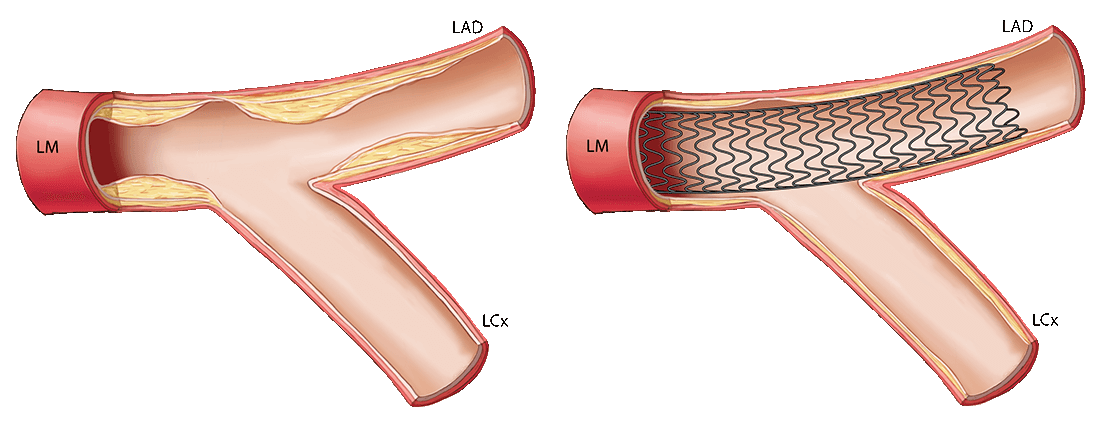
The latest treatment for a heart attack is to reopen the blocked artery with a balloon, followed by the placement of stent inside the coronary artery. A stent is a thin metal mesh to keep an artery open.
How can I recover from a heart attack?
Most people will recover from their first heart attack. However, you will need to follow not only medical therapy but also aggressive lifestyle changes after heart attack.
Heart Attack Recovery Pathway
You can do a lot of things to change or prevent heart attacks in the future. Prevention is better than cure. So, we all must emphasize our best defense- life style modification to combat heart disease which is the number one cause of death in United States.
Prevention of heart attack is the final goal for all of us but there is no single solution or medication to do that. It is a collective effort including aggressive lifestyle modification, taking medications as instructed, getting active and exercise, and following your physician recommendation.
Things to avoid and know when to get medical attention:
After the first heart attack, your priority is to prevent another one. Although it is not easy to go through these stressful events, we can help to navigate this journey during challenging times.
Follow Heart Healthy Diet
Avoid salt and sweet, stop smoking
Exercise and participate in cardiac rehab
Take your medications as prescribed
If you have chest pain or shortness of breath, call your doctor
Smoking is a major risk factor for heart disease. It can harm almost any part of the body and is one of the modifiable cardiovascular risk factors. Cigarette smoke contains thousands of chemicals (~7000) which could disrupt the daily function of the body and cells [2].
It is a well-known fact about smoking which could lead to multiple health problems such as coronary heart disease, hypertension, stroke, heart attack and peripheral artery disease.
Therefore, the best way to treat this disease is to stop smoking. Benefits of quitting smoking are:
Twenty minutes after you quit smoking, your heart rate drops [3].
After 12 hours of quitting, the carbon monoxide level in the blood drops to normal, allowing more oxygen to vital organs like your heart [3].
In four years of quitting, your risk of stroke drops to that of lifetime nonsmokers [4].
Although quitting smoking may seem to be difficult, we have a variety of treatment options such as nicotine replacement therapy to help you along the journeys. New York State has a dedicated website, https://www.nysmokefree.com/, to help you stop smoking.
Cardiac rehabilitation is one of dedicated exercise programs to help you improve your heart function by providing structural exercise program. Cardiac rehab is eligible for those with heart attack, heart failure, and angioplasty or heart surgery.
The objectives of cardiac rehab include:
Education about heart healthy lifestyle
How to handle stress
Structural and dedicated exercise to recover your heart muscle
How much activity do I need?
Generally, American heart association recommends to do 150 minutes per week of moderate-intensity aerobic activity or 75 minutes per week of vigorous aerobic activity (or a combination of both), preferably spread throughout the week.
Prevention of heart attack is the final goal for all of us but there is no single solution or medication to do that. It is a collective effort including aggressive lifestyle modification, taking medications as instructed, getting active and exercise, and following your physician recommendation.
Things to avoid and know when to get medical attention:
After the first heart attack, your priority is to prevent another one. Although it is not easy to go through these stressful events, we can help to navigate this journey during challenging times.
Follow Heart Healthy Diet
Avoid salt and sweet, stop smoking
Exercise and participate in cardiac rehab
Take your medications as prescribed
If you have chest pain or shortness of breath, call your doctor
Heart Failure Population
Heart failure means that the heart is not able to pump the blood out as it should be.
The normal heart acts like an engine which pushes the blood out to the rest of the body. Basically, the heart consists of four chambers, two on the left and two on the right. The right side of the heart pushes the blood to the lung and the left side of the heart receives oxygenated blood from the lung, then distributes the blood to the whole body.
In those with heart failure condition, your heart doesn’t have enough muscle power to pump the blood to meet your body’s need of oxygen and blood.
Heart Failure: Overview and Diagnosis
Heart failure can be caused by various etiology such as coronary artery disease, hypertension, previous heart attack, diabetes mellitus, viral infection, abnormal heart valves, heart muscle problems, sleep apnea, and other causes.
Am I at risk of getting heart failure?
Today, more than 6 million Americans are living with heart failure, and it poses a tremendous financial burden on the country. As we get older, everyone could manifest with heart failure but more risk in those with underlying medical conditions.
Therefore, it is very important to develop heart healthy habits at an early age, which includes eating healthy diets, staying active, controlling blood pressure, stopping smoking, and low salt intake.
Heart failure could present with excess fluid in your body, coughing and wheezing, shortness of breath on exertion, fatigue, lack of appetite, and feeling palpitation.
You should seek medical attention if you have any of these symptoms.
Physicians may perform physical examinations as well as some necessary tests.
Echocardiogram, ultrasound of the heart, is one of the tests to diagnose heart muscle weakness, heart valves condition, and heart chamber enlargement.
Ejection fraction is a percentage measurement of how much blood is being pumped out with each heartbeat. It can be classified into three groups.
< 40%: consider as reduced EF
41-49%: consider as borderline
> 50-70%: consider as normal
Communication with your doctor
Your physician may tell you two different types of heart failure
Heart failure with reduced ejection fraction: It is simply defined by the presence of reduced EF (< 40%) with heart failure symptoms.
Heart failure with preserved ejection fraction: It is defined by the presence of preserved EF (> 50%) with heart failure symptoms.
Treatment with Lifestyle Modification & Medical Therapy
It is common to retain the fluid in those with heart failure. So, the latest recommendation is to limit fluid intake while taking water pills called diuretics if necessary.
Eating the right type and amount of food is extremely important in heart failure for an individual. So, one should emphasize skinless poultry and fish, fruits and vegetables, whole grains, low-fat dairy products, nuts and legumes, and vegetable oils.
Limit salt, saturated fat, trans fat, cholesterol, sweets and sugar-sweetened beverages.
If necessary, you should ask your doctor for nicotine replacement therapy.
Alcohol is not a good substance in heart failure. If you drink alcohol, it is very important to do so in moderation.
Infection with influenza and pneumonia are dangerous in heart failure. Therefore, you should attempt to get both vaccines to prevent these infections.
If there is no physical limitation, everyone should try to keep active and start an exercise regime. If you don’t know where to start, talk to your doctor.
You should consider joining a cardiac rehab program which is a medically supervised program that includes exercise training, education on heart-healthy living, and in many cases, counseling to reduce stress.
After you finish rehab program, the objective is to continue the habit you foster in the cardiac rehab program; then it will help you to get better and feel better over time.
Stroke
What is a stroke?
Stroke is the number five cause of death and leading cause of disability in the United States.
Stroke is a devastating event to everybody, resulting in various symptoms including mild body weakness to paralysis of half body. A stroke is a medical emergency and can occur either due to a reduced blood supply to part of your brain (ischemic stroke) or ruptured blood vessel in the brain (hemorrhagic stroke).
Another condition called a transient ischemic attack (TIA) is like a stroke but most of the symptoms may resolve in 24 hours. TIA mostly happens due to transient reduction of blood flow to a part of brain. Hence, once you experience an episode of TIA, you are at a higher risk of having a stroke.
Stroke Symptoms & Treatment
Know “FAST” (By American Heart Association/American Stroke Association) [5]
F = face dropping
A= Arm weakness
S = Speech
T = Time to call 911
If one side of face drops or numbs, it is time to call 911.
If one or both sides of arm/leg become suddenly weak or numb, it is time to call 911.
If you have difficulty speaking and understanding, call 911.
Prompt stroke treatment is the only way to save lives and minimize short and long terms damages from stroke. Therefore, it is vital to get appropriate medical treatment right away.
There are various treatment options for ischemic stroke such as:
Medications to dissolve the clot (Thrombolysis): Eligible for those who come in within three hours (and up to four-and-a-half hours in certain eligible patients) of symptoms onset
Mechanical removal of the clot
However, the journey to stroke recovery does not end with medical therapy, rather it just starts. While experiencing a stroke is a demoralizing event, we all can beat stroke.
In regaining normalcy after stroke, rehabilitation/exercise program plays a major role in recovery path as it will help to rebuild your strength, and confidence to have an independent life.
Rehabilitation programs include various health services and education programs that will expedite your recovery. The Rehab program comprised of:
Physical therapy
Occupational therapy
Nutritional rehabilitation
Social work
Speech and language training
Nursing care
Support groups and services
There are three main different types of rehab programs based on location such as:
Inpatient Rehab
Skilled Nursing Facilities
Home Care
The appropriate selection of rehabilitation service should be made by your doctor based on the service you needed.
What can I gain from Rehabilitation?
Joining the rehab program is the most important step in your recovery path. The aim of rehabilitation is to enhance and train your mobility skill, daily activities, what to eat to control risk factors such as high blood pressure and diabetes, train language, and speech skills.
The main objective of rehab program is to help with mobility, diet, exercise and healthy habits and to maintain them after the program. One of the requirements to go to inpatient rehab is the ability to participate in at least three hours of physical therapy, five days a week. Your physician needs to determine whether you are eligible for the certain program.
Although recovery of lost functionality and strengthening of arms, and legs are primary goal of rehab, we may need to find new ways to get things done as independently as possible if regaining of functionalities is somewhat limited.
Infection with influenza and pneumonia are dangerous in heart failure. Therefore, you should attempt to get both vaccines to prevent these infections.
If there is no physical limitation, everyone should try to keep active and start an exercise regime. If you don’t know where to start, talk to your doctor.
You should consider joining a cardiac rehab program which is a medically supervised program that includes exercise training, education on heart-healthy living, and in many cases, counseling to reduce stress.
After you finish rehab program, the objective is to continue the habit you foster in the cardiac rehab program; then it will help you to get better and feel better over time.
Prevention is better than cure!
There are few things you can do to prevent another stroke events such as:
Perform suitable exercise program
Take the medication as prescribed
No or low salt intake
Manage risk factors such as blood pressure, blood glucose, blood cholesterol
Stop smoking
Follow up with your doctor as suggested
Reach out to support group if needed
Keeping Healthy habit
No doubt that stroke recovery pathway is a hard one, but it is doable. It is better to have some things in your mind to keep motivated. After all, a post stroke journey is not a sprint, but a marathon!
Peripheral Artery Disease
Peripheral artery disease (PAD) is a condition in which arteries outside of the heart become narrowed or blocked. In the United States, approximately more than 8 million people age 40 and older have PAD. [6]
PAD is usually caused by atherosclerosis, reducing blood flow from the heart to the rest of the body. Atherosclerosis is mostly due to plaque buildup in the wall of artery and risk of PAD is higher if you have unhealthy lifestyle, risk factors such as hypertension, elevated blood glucose, smoking, high blood cholesterol, and overweight/obesity.
Symptoms and Diagnosing PAD
PAD can present with various symptoms:
Change in skin color (pale, discolored, or blue leg)
Pain or sensation of numbness
Worsening of leg pain during ambulation
Difference in temperature between right and left leg
Lack of growth of nails and leg hair
Wounds on your feet, or legs
Symptoms of PAD are not rare, rather approximately one in four experiences most of symptoms while more than half have atypical symptoms. Therefore, if you have any of these symptoms, you should ask your doctor for further advice.
Leg pain is not a normal phenomenon. Most of the people may have gone unnoticed or dismiss the leg pain. While leg pain could be due to many reasons such as arthritis, muscle pain, or old age.
However, PAD may cause ulcers, infections, and even amputation without proper diagnosis and treatment.
PAD can be diagnosed with your symptoms, findings on examination, and various diagnostic tests.
Commonly used tests are:
Ankle-brachial index
Doppler ultrasound
Computed tomographic angiography (CTA)
Magnetic Resonance Angiography (MRA)
Angiography
Health care providers may choose appropriate tests to diagnose PAD.
Prevention and Treatment
Although the goal of PAD treatment mostly depends on the severity of PAD, it emphasizes improvement of symptoms and reduced progression of the disease. The treatment options for PAD include exercise, intensive lifestyle changes, medications, minimally invasive procedure called angioplasty and bypass surgery.
Heart healthy lifestyle changes, and exercise programs play a major role in PAD treatment, rather than medications.
There are a lot of things you can do before you start taking medicine.
Stop smoking
Follow heart healthy diet – Avoid/limit saturated fat, salt, sugars, and alcohol while eat more on fruits and vegetables
Weight control/loss if needed
Stay active as much as you can
Physical activity is always good for everybody while more so in PAD. Exercise can help PAD individuals to improve their ability to work and carry out daily activities.
Two different forms of exercise programs:
Supervised exercise
Structured community or home exercise programs
What is supervised exercise?
According to American Heart Association/American College of Cardiology 2016 PAD guidelines, the program is usually based in a hospital or outpatient facility [7].
The training duration is a minimum of 30–45 minutes/session, at least 3 times/week for a minimum of 12 weeks.
Exercise involves intermittent bouts of walking on a treadmill to moderate-to-maximum claudication, alternating with periods of rest.
Warm-up and cool-down periods precede and follow each session of walking.
Programs can be a part of cardiac rehab or standalone program.
What is a structured community or home-based exercise program?
The location will be in a home or other personal setting rather than clinic-based setting.
With the guidance of healthcare providers, the individual must do it by himself, but the exercise regime is like that of a supervised program. Home-based programs involve walking outside instead of on a treadmill.
The participant needs to understand how to maintain the exercise program with proper form and speed. Moreover, the program may include additional health coaching as needed with the activity monitor.
If you need more information, please contact us at The Mount Sinai Rehab program.
Hypertension or High Blood Pressure
What is hypertension?
Hypertension, also known as high blood pressure, is a condition in which the pressure inside the artery is persistently high and it can lead to serious medical problems in the future.
How common is high blood pressure?
Based on data from National Health and Nutrition Examination Survey period of 2017–2018, the prevalence of age-adjusted hypertension was 45.4% among adults and was higher among men (51.0%) than women (39.7%).
What is normal blood pressure?
A normal blood pressure level is defined as < 120/80 mmHg [8].
Identifying & Monitoring High Blood Pressure
An easy way to diagnose high blood pressure is to let your doctors check your blood pressure. You may not have any feelings even if you have hypertension. Hence, high blood pressure is known as a “silent killer”.
Prompt stroke treatment is the only way to save lives and minimize short and long terms damages from stroke. Therefore, it is vital to get appropriate medical treatment right away. There are various treatment options for ischemic stroke such as:
Medications to dissolve the clot (Thrombolysis): Eligible for those who come in within three hours (and up to four-and-a-half hours in certain eligible patients) of symptoms onset
Mechanical removal of the clot
However, the journey to stroke recovery does not end with medical therapy, rather it just starts. While experiencing a stroke is a demoralizing event, we all can beat stroke.
Can measure in sitting or lying position
Should attempt to measure at the same time every day
Do not measure over the clothes
Take at least 2 assessments and record all results
Use a validated machine with appropriate cuff size
Recent guidelines from American College of Cardiology/American Heart Association (2017) provides a guidance how to define a high blood pressure. It can be divided into three categories [8].
Blood Pressure Category
Systolic (mmHg)
Diastolic (mmHg)
Normal
< 120
And
< 80
Elevated
120–129
And
< 80
Hypertension Stage 1
130–139
Or
80–89
Hypertension Stage 2
≥ 140
Or
≥ 90
Preventing or Reducing High Blood Pressure
Eat a heart healthy diet
Maintain a healthy weight (Ideally BMI should be at 18.5-24.9)
Reduce salt intake: consume less than 1,500 mg a day at least.
Be Physically active (Should aim to do 90 to 150 minutes of aerobic and/or dynamic resistance exercise per week)
Avoid smoking and alcohol in moderation
Get enough sleep
Steps to follow if you have high blood pressure:
Measure blood pressure at home
Record and know the blood pressure number (as a BP log book)
Do lifestyle changes
Take the medications as needed
Discuss with your physician and follow the recommendations
Diabetes
Diabetes mellitus is a condition with abnormally high blood sugar, probably due to failure to produce enough insulin in the body. According to CDC data, more than 122 million Americans are living with diabetes (34.2 million) or prediabetes (88 million).
Understanding of Diabetes
Diabetes is one of the diseases that could manifest other major organs when left untreated.
With the presence of high blood glucose level, diabetes could lead to:
Heart disease and heart attack
Kidney disease
Nerve damages and numbness in extremities
Eye damage and vision loss
Elevated blood cholesterol
Prone to plaque build up
Delay in wound healing
Skin infections
Depression and Dementia
In prediabetes, a condition before you get diagnosed as diabetes, you may not have any symptoms. It can present as:
Fatigue
Increased appetite
Weight loss
Thirsty
Increased urination
If you have any of these symptoms, please consult your healthcare provider for further advice.
There are a series of tests that can be done to verify the presence of diabetes.
Blood glucose testing (fasting)
Hemoglobin A1C (A measurement of average glucose level in the last 3 months)
Treating Diabetes & Prevention
Although diabetes is an unwelcome disease affecting multiple organs, it can be effectively managed with various treatment modalities.
Treatment strategy for diabetes include:
Lifestyle modification
Dietary rehabilitation
Take medicines if needed
Take control of other risk factors such as obesity, high blood pressure, and blood cholesterol
Lifestyle changes in diabetes individuals are an integral part of successful disease management.
There are few things you have keep in mind:
Select a healthy, whole-grain, high-fiber foods while limiting sugar, and sweetener
Be aware of your blood glucose number, body weight
Stay active
Stop Smoking
Mindfulness and manage stress
A diabetes diet is simply a healthy diet that will help to control your blood glucose. But choosing what to eat is sometimes difficult. Multiple research studies have been done regarding what to eat in diabetes but not discovered “one type of diet” as everybody behaves differently.
Therefore, we should emphasize intelligent eating habits not only to keep blood sugar control but also manage your weight as well as blood pressure.
Breakdown of diabetes diet:
Healthy carbohydrate
Fruits and vegetable
Lots of fish
Healthy fat
Healthy carbohydrates include whole grains, fruits and vegetables, legumes, and low-fat dairy products. Avoid sugar and fat.
Simple carbohydrate and sugar
Trans fats
Sodium
A plate method
American Diabetes Association introduces diabetes plate method to create a healthy meal for diabetes individual. A plate can be divided into four parts [9].
First Half of a plate: filled with non–starchy vegetables, which include:
Asparagus, Broccoli, Brussels Sprouts, Cauliflower, Cabbage, Carrots, Celery, Cucumber, Eggplant, Green vegetables: Kale, collards, mustard greens, or Swiss Chard, Green beans, pea pods, snow peas, and sugar snap peas, Peppers, Mushrooms, Okra, Salad greens such as lettuce, spinach, arugula, and endive, quash such as zucchini, yellow squash, chayote, spaghetti squash, Tomatoes
One quarter of a plate: Filled with healthy protein:
Fish like salmon, tuna, tilapia, Chicken, turkey, and eggs, Shellfish like shrimp, scallops, clams, mussels, or lobster, Lean beef cuts such as chuck, round, sirloin, flank, or tenderloin, Lean pork cuts such as center loin chop or tenderloin, Lean deli meats
Plant-based sources of protein:
Beans, lentils, hummus, and falafel
Nuts and nut butters
Edamame
Tofu and tempeh
Then, one quarter of a plate: filled with healthy carbohydrate:
Whole grains such as brown rice, bulgur, oats/oatmeal, quinoa, and whole grain products (bread, pasta, tortillas)
Starchy vegetables such as acorn squash, butternut squash, green peas, parsnips, plantain,and pumpkin
Beans and legumes such as black, kidney, pinto, and garbanzo beans
Fruits and dried fruit
Dairy products like milk, yogurt, and milk substitutes (i.e. soy milk)
Follow low glycemic index foods:
Consumption of low glycemic index food is another way to control rapid blood glucose level.
Keeping physically active is generally needed for everybody. For diabetes individuals, physical activity can help to regulate body metabolism with better glucose control and weight management. American heart association’s recommendation is to do at least 150 minutes per week of moderate-intensity aerobic physical activity or 75 minutes per week of vigorous-intensity aerobic activity, or an equivalent combination of both.
Atrial Fibrillation
What is atrial fibrillation?
Atrial fibrillation, also known as Afib or AF, is a heart rate disorder and can present with slow, fast, or irregular heartbeat. It is not uncommon as it is estimated that 12.1 million people in the United States will have AFib in 2030 [10].
Understanding Atrial Fibrillation
Some people with AFib don’t have any symptoms but others may have some of the following symptoms:
Irregular heartbeat
Heart palpitations (feeling like my heart is racing or skip beats)
Chest pain
Shortness of breath
Lightheadedness
Extreme fatigue/Weak
There are 4 chambers in a normal heart that pump the blood out in a coordinated fashion. During Afib, synchronization between upper and lower chambers is interrupted resulting in the heart beating too quickly, slowly, or irregularly.
Due to heartbeat irregularity, a stasis of blood is created inside the heart promoting a clot formation. If a clot breaks off and enters the circulation, it can cause devastating events such as stroke and leg ischemia depending on where the clot is finally landed. Moreover, Afib increases the risk of health rated deaths.
The risk of Afib unfortunately increases with age while presence of other conditions can also elevate the risk.
High blood pressure
Diabetes
Underlying heart disease such as ischemic heart disease, valve problem
Thyroid disorder
Kidney disease
Obesity
Sleep Apnea
Smoking
Heavy alcohol use
Treating Afib
First, we need to set goals of Afib treatment to get a proper diagnosis and to prevent or reduce the risk of stroke.
Your doctor may examine you and perform necessary tests to confirm Afib
Life style changes
Medicine to control heart rate
Blood thinning medication to prevent a clot formation and reduce stroke risk
Invasive procedures (Ablation or surgery) as needed
To reduce risk for onset of Afib, heart healthy lifestyle is the best way to start your journey.
Stay active and do regular physical activity
Be smart and eat heart healthy diet
Control high blood pressure and cholesterol
Lose extra body weight if needed
Quit smoking
Weight loss has a significant impact on atrial fibrillation. Long-Term Effect of Goal-Directed Weight Management in an Atrial Fibrillation Cohort: A Long-Term Follow-Up Study (LEGACY) attempted to study the effect of weight control on Afib management over 5 year period and showed long-term sustained weight loss is associated with significant reduction of AF burden and maintenance of normal heart rhythm [11].
Atrial fibrillation increases the risk of ischemia stroke significantly ~ 4-5 fold compared to the one without Afib [12]. Based on the statistics, Afib causes about 1 in 7 strokes [13].
However, the risk of stroke in Afib can be significantly reduced with proper medical treatment. Depending on your comorbidities, you may likely need either antithrombotic medications or aspirin.
References
Heart Attack (Myocardial Infarction)
Fryar CD, Chen T-C, Li X. Prevalence of uncontrolled risk factors for cardiovascular disease: United States, 1999–2010. NCHS data brief, no. 103. Hyattsville, MD: National Center for Health Statistics; 2012.
U.S. Department of Health and Human Services (USDHHS). A Report of the Surgeon General: How Tobacco Smoke Causes Disease: What It Means to You. Atlanta, GA: CDC, National Center for Chronic Disease Prevention and Health Promotion, Office on Smoking and Health; 2010.
U.S. Department of Health and Human Services (USDHHS). The Health Consequences of Smoking: What It Means to You. Atlanta, GA: CDC, National Center for Chronic Disease Prevention and Health Promotion, Office on Smoking and Health; 2004.
U.S. Department of Health and Human Services (USDHHS). How Tobacco Smoke Causes Disease: The Biology and Behavioral Basis for Smoking-Attributable Disease. Atlanta, GA: CDC, Office on Smoking and Health; 2010.
Stroke
Kleindorfer DO, Miller R, Moomaw CJ, et al. Designing a message for public education regarding stroke: does FAST capture enough stroke? Stroke. 2007;38(10):2864–8. doi:10.1161/STROKEAHA.107.484329.
Peripheral Artery Disease
Virani SS, Alonso A, Benjamin EJ, et al. Heart disease and stroke statistics—2020 update: a report from the American Heart Association. Circulation. 2020;141(9):e139–e596.
Gerhard-Herman MD, Gornik HL, Barrett C, et al. 2016 AHA/ACC Guideline on the Management of Patients With Lower Extremity Peripheral Artery Disease: Executive Summary. Circulation. 2017;135(12):e686–e725. doi:10.1161/CIR.0000000000000470.
Hypertension or High Blood Pressure
Whelton PK, Carey RM, Aronow WS, et al. 2017 ACC/AHA guideline for the prevention, detection, evaluation, and management of high blood pressure in adults. J Am Coll Cardiol. 2018;71(19):e127–e248.
Colilla S, Crow A, Petkun W, Singer DE, Simon T, Liu X. Estimates of current and future incidence and prevalence of atrial fibrillation in the U.S. adult population. Am J Cardiol. 2013;112:1142–1147. doi:10.1016/j.amjcard.2013.05.063.
Pathak RK, Middeldorp ME, Meredith M, et al. Long-Term Effect of Goal-Directed Weight Management in an Atrial Fibrillation Cohort (LEGACY). J Am Coll Cardiol. 2015;65(20):2159–69. doi:10.1016/j.jacc.2015.03.002.
Wolf PA, Abbott RD, Kannel WB. Atrial fibrillation as an independent risk factor for stroke: the Framingham Study. Stroke. 1991;22(8):983–8.
Heart Rhythm Society. Complications from Atrial Fibrillation. 2019.