
Diet Types
Different Diet Types & Benefits

Low Carbohydrate & High protein Diet
What are Low carbohydrate and high protein diets (LC/HP)?
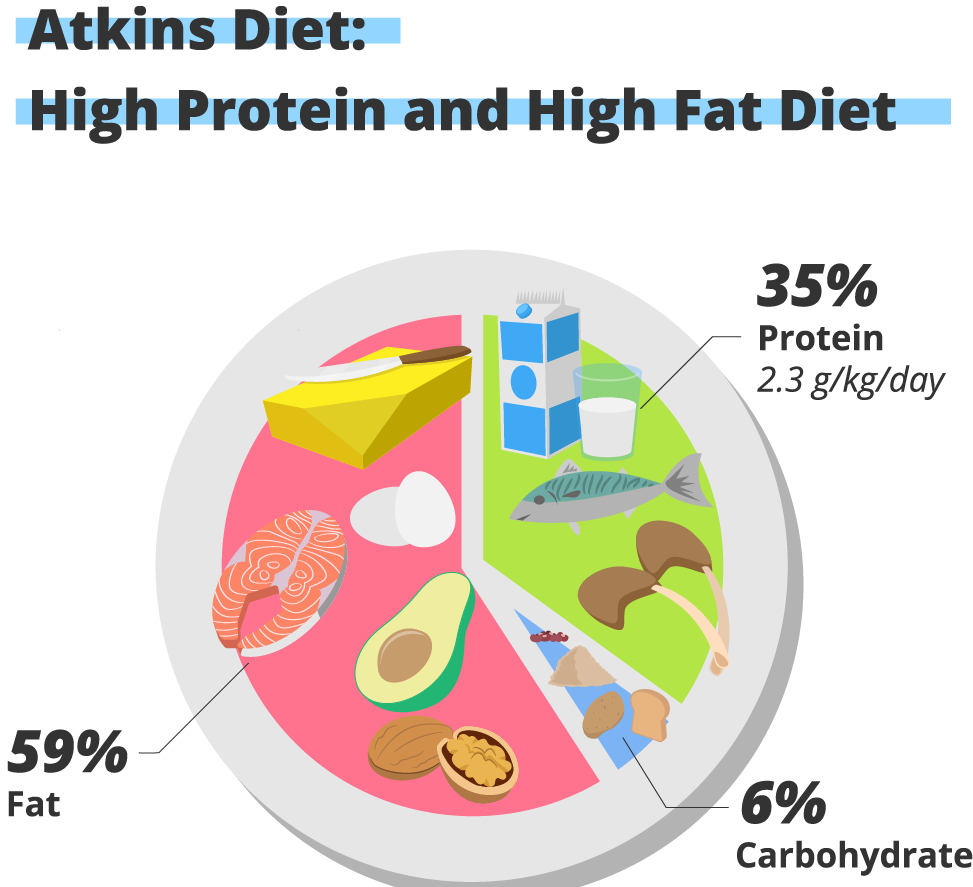
LC/HP diet contains a large amount of protein and a significantly lower amount of carbohydrates. Although there is various carbohydrate restriction with a broad spectrum of LH/HP style, one can start from limiting carbohydrate intake less than 100 g/day with protein consumption at least more than 0.8 g/kg of body weight or >20% of daily calories count [2].
Low Fat & High Carbohydrate Diet
A low fat/high carbohydrate diet (LF/HC) is considered an alternative option to lower total fat intake, including saturated and trans-fat, while increasing carbohydrate intake. Although low carbohydrate consumption may allow your body to burn fat, it can paradoxically promote unhealthy fat absorption. An alternative hypothesis is that eating an LF/HC diet may stimulate a better physiological response for burning fat and weight loss.
Plant-based diets vs. Lacto Ovo Vegetarian vs. Vegan Diet

Moreover, plant-based diet or vegetarian diet had shown to be associated with cardiovascular benefits and the correction of CKD-accompanying complications, partly due to the inclusion of large amounts of dietary fibers, n-6 fatty acids, folic acid, potassium, magnesium, vitamin E, vitamin C, and carotenoids, as well as many phytochemicals. [8] The finding was verified in other studies, which demonstrated a lower risk of coronary artery disease while improving risk factors such as better blood pressure control, decreased atherosclerosis [9,10].
What to do in daily life?
Plant-based or Vegetarian diets are a healthy diet and a way to avoid unhealthy fat, animal products, refined grains, and sugars while eating plenty of healthy plant foods. Overall, a plant-based diet is an excellent choice to take care of your health and the planet.
Mediterranean Diet
The Mediterranean diet is a particular type of traditional diet from the countries near the Mediterranean Sea, such as Greece, Italy, France, and Spain. There is no standardized format for Mediterranean diets; instead, each country has its own culture and styles. Moreover, the Mediterranean diet type emphasizes the specific kind of diets rather than calories or macronutrients.
A Mediterranean diet style mainly includes the following:

Potential benefits of a Mediterranean diet
The Mediterranean diet has been studied in scientific literature and showed one of the healthiest diets available for several health problems.
PREDIMED study had done a multicenter trial including 7444 participants assigned to three diets style- Mediterranean diet supplemented with extra-virgin olive oil, a Mediterranean diet supplemented with mixed nuts, or a control diet (advice to reduce dietary fat). The Median follow-up was 4.8 years. It showed a 30% decrease in vascular events. The Mediterranean-style diet is higher in extra-virgin olive oil or mixed nuts than the reduced-fat diet category [1].
The Lyon Diet Heart Study was a secondary prevention trial that reported a 72% reduction in cardiovascular events in the alpha-linolenic acid-rich Mediterranean-style diet group compared with the control group following a prudent Western-style diet.
How do you apply this diet to daily life?
No doubt the Mediterranean diet is a healthy eating pattern. It encourages eating nutritious foods like vegetables, fruits, whole grains, beans, legumes, low-fat or fat-free dairy products, fish, poultry, non-tropical vegetable oils, and nuts while limiting processed food and sugars.
A Mediterranean diet will help enhance a healthy heart and reduce various cardiovascular risk factors – blood pressure control, sugar control, and reduce inflammation.
Ketogenic Diet
The diet consists of high-fat content and very low carbohydrate, which is somewhat similar to a low carbohydrate and high-fat diet. The idea behind including a higher range of a fat diet is to steer the body’s energy metabolism into burning fat rather than carbohydrate.
What is Ketosis, and where does it come from?
Ketone bodies are the water-soluble molecules containing the ketone group produced by the liver from fatty acids during periods of low food intake (fasting), restrictive carbohydrate diets, starvation, prolonged intense exercise, alcoholism, or untreated (or inadequately treated) type 1 diabetes mellitus.
Ketosis is a metabolic condition of your body, which burns fat for an energy source instead of carbohydrates. The entrance to ketosis limits carbohydrate intake while increased consumption of natural fats and protein—such as meat, fish, and poultry.
Potential benefits of a Ketogenic diet
One of the questions is “Is Keto Diet Safe?“ especially with cholesterol levels. Generally, a low carbohydrate, high protein, and fat diet are potentially unhealthy as it may cause a rise in LDL cholesterol and TGs, and this issue is of particular importance in obese individuals. Multiple studies demonstrated that reducing carbohydrate intakes could lower total cholesterol and blood triglycerides level while increasing HDL cholesterol levels. [1,5] Furthermore, Keto Diets have been reported to increase the size and volume of LDL-C particles along with the reduction of cardiovascular disease risk [6].
Keto Diet in daily life
The most important thing to do is to avoid eating too many carbs. It would be better to keep carbohydrate intake under 50 grams per day, ideally below 20 grams. You should plan your meal based on the following:
- fatty Fish: salmon, tuna, and mackerel
- eggs
- butter and cream: grass-fed butter and heavy cream
- cheese: like cheddar, cream, or mozzarella
- nuts and seeds: almonds, walnuts, flaxseeds, pumpkin seeds, etc.
- healthy oils: extra virgin olive oil and avocado oil
- avocados: whole avocados or freshly made guacamole
- low carb veggies: green veggies, tomatoes, onions, peppers, etc.
- meat: red meat, steak, ham, sausage, bacon, chicken, and turkey
Intermittent Fasting
The story of Intermittent fasting:
Although intermittent fasting has been around for ages, it got the media and people’s attention after the BBC broadcast “Eat Fast, Live Longer” and “the Fast Diet” by Dr. Michael Mosley. It further emphasized “The Obesity Code” by Dr. Jason Fung in 2016.
What is the scientific explanation of the benefits of fasting?
When you are not eating or fasting, several hormonal changes happen in your body. Whenever we eat, the food is broken down into glucose or sugar and enters the cells with the help of insulin. If you have extra calories and our cells don’t use glucose, excess glucose will be stored as fat cells.
During fasting, insulin levels go down, and fat cells start to be used as an energy source. Hence, the whole processes improve insulin sensitivity and promote weight loss [1].
Evidence from animal and human studies suggested improved cellular repair, increased level of growth hormone, and many health conditions such as cardiovascular disease, diabetes mellitus, cancers, neurologic disorders, and antiaging [2].
Different Methods of Intermittent Fasting
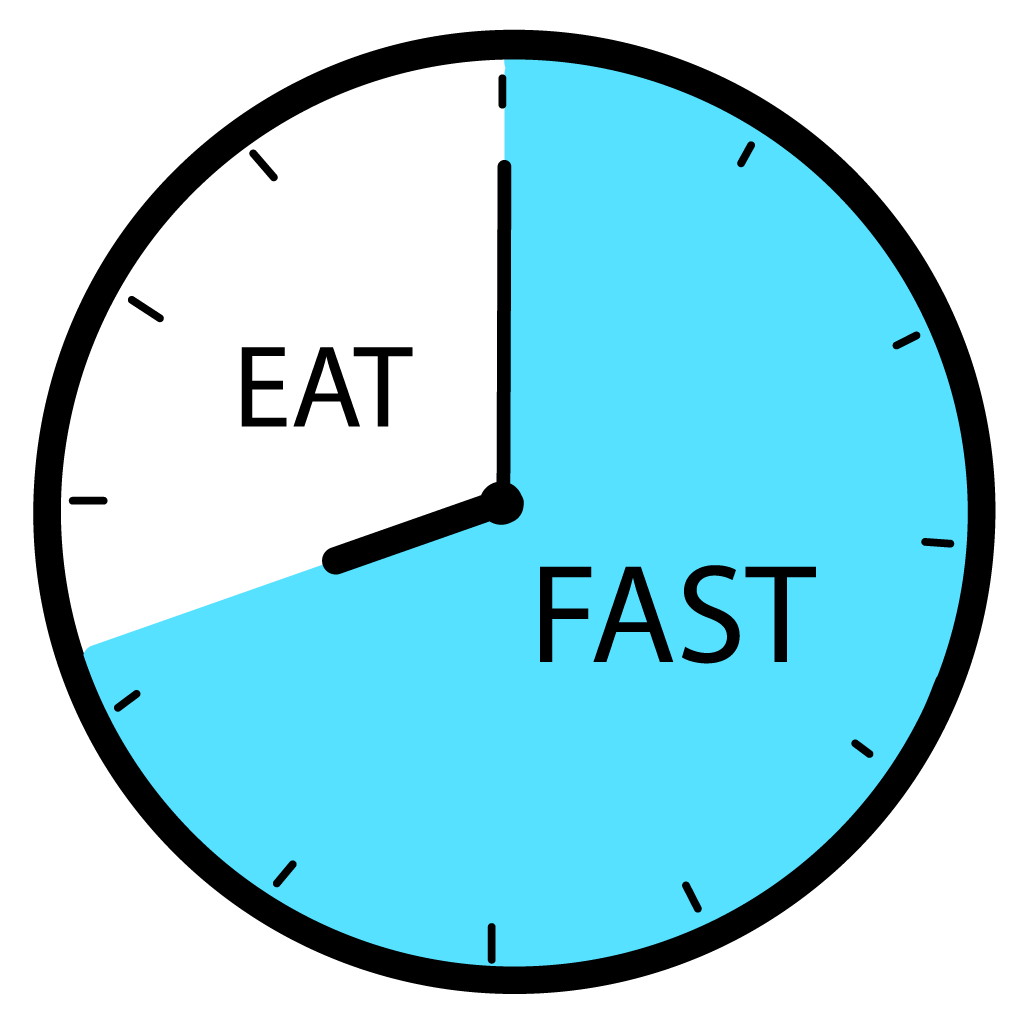
It is known as Lean–gain protocol. The schedule involves 16 hours fasting and 8 hours eating period.
Which method is better than others?
There is no evidence of superiority among different methods. Therefore, you should use whatever way is convenient for you.
However, if you decide to try intermittent fasting, be mindful of food quality. Ensure you eat healthy food and avoid junk food during the eating period as much as possible.
What are the side effects?
The most common one is hunger. Moreover, you may also feel tired, not able to think, and weak. It may take some time for your body to adjust to the new meal schedule.
Suppose you have underlying medical conditions such as diabetes, eating disorders, pregnancy, gastroesophageal reflux, and women with menstrual disorders. In that case, you should talk to your physician before you start doing intermittent fasting.
Western Diet

Western Diet and Potential Health Implication
Earlier studies reported support the association between a western diet and increased risk of coronary artery disease, diabetes, cholesterol problem and cancer [1,2]. Moreover, prolonged consumption of western style calories rich diet could even evoke a state of chronic metabolic inflammation, which could contribute to multiple health problems including obesity-associated metabolic syndrome, type 2 diabetes mellitus, non-alcoholic fatty liver disease, cardiovascular diseases, Alzheimer’s disease as well as certain cancers (i.e., colon cancer, pancreatic cancer, and breast cancer) [3].
Therefore, researchers are trying to define certain dietary intake patterns with metabolic activity resulting in oxidative stress, insulin resistance, and lipid dysregulation. In the latest study done by Chandler PD and colleagues, they attempted to map out metabolic signatures between two dietary patterns; western vs prudent dietary pattern. Prudent dietary pattern is mostly consisted of fresh fruit, vegetables, grilled Fish and salad. 2199 Women’s Health Initiative (WHI) participants were included. The finding was positive association of oxidative stress and abnormal lipid metabolism, resulting chronic inflammation, with western diet whereas prudent dietary pattern was not [4].
What is the best diet type in daily life?
Although there are multiple research trials regarding correlation with dietary patterns and cardiovascular events, hard endpoints-based trials are, however, still limited. Nevertheless, choosing a healthy diet is not very hard as you think. Mediterranean and plant-based diets are known to be good healthy foods available. As there are multiple food options available, it is paramount to emphasize the type of food you eat, rather than following a specific type of diet.
The healthy diet mostly should include the following:
- Plenty of vegetable fruits and whole grains (i.e. whole oats, whole wheat, whole-grain rye, buckwheat, Bulgur Wheat, Millet, Whole Barley, Quinoa, Brown Rice, Corn, Pop Corn)
- Low-fat and non-fat dairy
- Skinless poultry, Fish
- Beans and legumes
- Vegetable oils
- Nuts and seeds
We should limit fat, trans fat, sodium (less than 23,00mg per day), sugar-sweetened beverages, processed meats, and alcohol in moderation. Remember how many calories you should eat everyday although it depends on multiple factors including age, gender, and daily physical activity.
References
Different Diet Types & Benefits
- Weir HK, Anderson RN, Coleman King SM, et al. Heart disease and cancer deaths—trends and projections in the United States, 1969–2020. Prev Chronic Dis. 2016;13:E157.
- US Department of Agriculture, Agricultural Research Service, Beltsville Human Nutrition Centre, Food Surveys Research Group (Beltsville, MD) https://www.ars.usda.gov/
- Atkins RC. Dr. Atkins' new diet revolution. 1st Quill edn. New York: Quill; 2002.
- St Jeor ST, Howard BV, Prewitt TE, Bovee V, Bazzarre T, Eckel RH, Nutrition Committee of the Council on Nutrition PA, Metabolism of the American Heart A. Dietary protein and weight reduction: a statement for healthcare professionals from the Nutrition Committee of the Council on Nutrition, Physical Activity, and Metabolism of the American Heart Association. Circulation. 2001;104:1869–1874. doi: 10.1161/hc4001.096152.
- Soenen S, Bonomi AG, Lemmens SG, Scholte J, Thijssen MA, van Berkum F, Westerterp-Plantenga MS. Relatively high-protein or 'low-carb' energy-restricted diets for body weight loss and body weight maintenance? Physiol Behav. 2012;107:374–380. doi: 10.1016/j.physbeh.2012.08.004.
- USDA dietary guidelines 2015-2020. https://health.gov/our-work/food-nutrition/2015-2020-dietary-guidelines/guidelines/appendix-7
- Noto H, Goto A, Tsujimoto T, Noda M. Low-carbohydrate diets and all-cause mortality: a systematic review and meta-analysis of observational studies. PLoS One. 2013;8(1):e55030. doi:10.1371/journal.pone.0055030. PMID: 23372809; PMCID: PMC3555979.
- Foster GD, Wyatt HR, Hill JO, McGuckin BG, Brill C, Mohammed BS et al. A randomized trial of a low-carbohydrate diet for obesity. N Engl J Med 348, 2082–2090 (2003).
- Trichopoulou A, Psaltopoulou T, Orfanos P, Hsieh CC, Trichopoulos D. Low-carbohydrate–high-protein diet and long-term survival in a general population cohort. Eur J Clin Nutr. 2007;61(5):575-581.
- Seidelmann SB, Claggett B, Cheng S, et al. Dietary carbohydrate intake and mortality: a prospective cohort study and meta-analysis. Lancet Public Health. 2018 Sep;3(9):e419-e428. doi: 10.1016/S2468-2667(18)30135-X. PMID: 30122560; PMCID: PMC6339822.
- Knight EL, Stampfer MJ, Hankinson SE, Spiegelman D, Curhan GC. The impact of protein intake on renal function decline in women with normal renal function or mild renal insufficiency. Ann Intern Med. 2003;138(6):460-467.
Low Fat & High Carbohydrate Diet
- Kiage JN, Merrill PD, Robinson CJ, et al. Intake of trans fat and all cause mortality in the Reasons for Geographical and Racial Differences in Stroke (REGARDS) cohort. Am J Clin Nutr. 2013;97:1121–8.
- Hall KD, et al. Calorie for calorie, dietary fat restriction results in more body fat loss than carbohydrate restriction in people with obesity. Cell Metabolism. 2015;22(3):427-436.
- Howard BV, et al. Low-fat dietary pattern and weight change over 7 years. JAMA. 2006;295(1):39-49.
- Dehghan M, Mente A, Zhang X, et al. Associations of fats and carbohydrate intake with cardiovascular disease and mortality in 18 countries from five continents (PURE): a prospective cohort study. Lancet 2017;390:2050–62.
- Seidelmann SB, Claggett B, Cheng S, et al. Dietary carbohydrate intake and mortality: a prospective cohort study and meta-analysis. Lancet Public Health. 2018;3(9):e419-e428. doi: 10.1016/S2468-2667(18)30135-X. PMID: 30122560; PMCID: PMC6339822.
Plant-based diets vs. Lacto Ovo Vegetarian vs. Vegan Diet
- Huang T, Yang B, Zheng J, Li G, Wahlqvist ML, Li D. Cardiovascular Disease Mortality and Cancer Incidence in Vegetarians: A Meta-Analysis and Systematic Review. Ann Nutr Metab. 2012;60(4):233–40. PMID: 22677895.
- Martinez-Gonzalez MA, Sanchez-Tainta A, Corella D, et al. A provegetarian food pattern and reduction in total mortality in the PREDIMED study. Am J Clin Nutr. 2014;100(Suppl 1):320S–8S. PMID: 24871477.
- Huang C, Huang J, Tian Y, Yang X, Gu D. Sugar sweetened beverages consumption and risk of coronary heart disease: a meta-analysis of prospective studies. Atherosclerosis. 2014;234(1):11–6. PMID: 24583500.
- Hu EA, Pan A, Malik V, Sun Q. White rice consumption and risk of type 2 diabetes: meta-analysis and systematic review. BMJ. 2012;344:e1454. PMID: 22422870.
- Satija A, Bhupathiraju SN, Spiegelman D, et al. Healthful and Unhealthful Plant-Based Diets and the Risk of Coronary Heart Disease in U.S. Adults. J Am Coll Cardiol. 2017;70(4):411-422. doi: 10.1016/j.jacc.2017.05.047. PMID: 28728684; PMCID: PMC5555375.
- Lofvenborg JE, Andersson T, Carlsson PO, et al. Sweetened beverage intake and risk of latent autoimmune diabetes in adults (LADA) and type 2 diabetes. Eur J Endocrinol 2016;175:605-14.
- Yang Q, Zhang Z, Gregg EW, Flanders WD, Merritt R, Hu FB. Added sugar intake and cardiovascular diseases mortality among US adults. JAMA Intern Med 2014;174:516-24.
- Gluba-Brzozka A, Franczyk B, Rysz J. Vegetarian Diet in Chronic Kidney Disease-A Friend or Foe. Nutrients 2017;9.
- Ornish D, Scherwitz LW, Billings JH, et al. Intensive lifestyle changes for reversal of coronary heart disease. JAMA. 1998;280(23):2001-7. doi: 10.1001/jama.280.23.2001. PMID: 9863851.
- Yokoyama Y, Nishimura K, Barnard ND, et al. Vegetarian diets and blood pressure: a meta-analysis. JAMA Intern Med. 2014;174(4):577-87. doi: 10.1001/jamainternmed.2013.14547. PMID: 24566947.
- Jenkins DJ, Kendall CW, Marchie A, et al. Type 2 diabetes and the vegetarian diet. Am J Clin Nutr. 2003;78(3 Suppl):610S-616S. doi: 10.1093/ajcn/78.3.610S. PMID: 12936955.
- McMacken M, Shah S. A plant-based diet for the prevention and treatment of type 2 diabetes. J Geriatr Cardiol. 2017;14(5):342-354. doi: 10.11909/j.issn.1671-5411.2017.05.009. PMID: 28630614; PMCID: PMC5466941.
- Pawlak R. Vegetarian diets in the prevention and management of diabetes and its complications. Diabetes Spectrum. 2017;30(2):82-88.
- Spencer EA, Appleby PN, Davey GK, Key TJ. Diet and body mass index in 38000 EPIC-Oxford meat-eaters, fish-eaters, vegetarians and vegans. Int J Obes Relat Metab Disord. 2003;27(6):728-34. doi: 10.1038/sj.ijo.0802300. PMID: 12833118.
Mediterranean Diet
- Estruch R, Ros E, Salas-Salvadó J, et al; PREDIMED Study Investigators. Primary Prevention of Cardiovascular Disease with a Mediterranean Diet Supplemented with Extra-Virgin Olive Oil or Nuts. N Engl J Med. 2018;378(25):e34. doi: 10.1056/NEJMoa1800389. PMID: 29897866.
- Kris-Etherton P, Eckel RH, Howard BV, St. Jeor S, Bazzarre TL. Lyon diet heart study: benefits of a Mediterranean-Style dietary pattern on cardiovascular disease. Circulation. 2001;103(13):1823-1825.
- Agnoli C, Sieri S, Ricceri F, et al. Adherence to a Mediterranean diet and long-term changes in weight and waist circumference in the EPIC-Italy cohort. Nutrition & diabetes. 2018;8(1):1-10.
- Mancini JG, Filion KB, Atallah R, Eisenberg MJ. Systematic Review of the Mediterranean Diet for Long-Term Weight Loss. Am J Med. 2016;129(4):407-415.e4. doi: 10.1016/j.amjmed.2015.11.028. PMID: 26721635.
- Ford C, Chang S, Vitolins M, et al. Evaluation of diet pattern and weight gain in postmenopausal women enrolled in the Women's Health Initiative Observational Study. Br J Nutr. 2017;117(8):1189-1197. doi:10.1017/S0007114517000952.
- Salas-Salvadó J, Bulló M, Babio N, et al; PREDIMED Study Investigators. Reduction in the incidence of type 2 diabetes with the Mediterranean diet: results of the PREDIMED-Reus nutrition intervention randomized trial. Diabetes Care. 2011;34(1):14–19. https://doi.org/10.2337/dc10-1288.
- Esposito K, Maiorino MI, Di Palo C, Giugliano D. Adherence to a Mediterranean diet and glycaemic control in Type 2 diabetes mellitus. Diabet Med. 2009;26(9):900-7. doi: 10.1111/j.1464-5491.2009.02798.x. PMID: 19719711.
- Sureda A, Bibiloni M, Julibert A, et al. Adherence to the Mediterranean Diet and Inflammatory Markers. Nutrients. 2018;10(1):62. https://doi.org/10.3390/nu10010062.
- Casas R, Urpi-Sardà M, Sacanella E, et al. Anti-Inflammatory Effects of the Mediterranean Diet in the Early and Late Stages of Atheroma Plaque Development. Mediators of Inflammation. 2017;2017:3674390. https://doi.org/10.1155/2017/3674390.
Ketogenic Diet
- Bueno NB, de Melo IS, de Oliveira SL, da Rocha Ataide T. Very-low-carbohydrate ketogenic diet v. low-fat diet for long-term weight loss: a meta-analysis of randomised controlled trials. Br J Nutr. 2013;110:1178–1187. doi: 10.1017/S0007114513000548.
- Johnstone AM, Horgan GW, Murison SD, Bremner DM, Lobley GE. Effects of a high-protein ketogenic diet on hunger, appetite, and weight loss in obese men feeding ad libitum. Am J Clin Nutr. 2008;87:44–55.
- Cahill GF Jr. Fuel metabolism in starvation. Annu Rev Nutr. 2006;26:1–22. doi:10.1146/annurev.nutr.26.061505.111258.
- Goss AM, Gower B, Soleymani T, et al. Effects of weight loss during a very low carbohydrate diet on specific adipose tissue depots and insulin sensitivity in older adults with obesity: a randomized clinical trial. Nutr Metab. 2020;17:64. https://doi.org/10.1186/s12986-020-00481-9.
- Paoli A, Rubini A, Volek JS, Grimaldi KA. Beyond weight loss: a review of the therapeutic uses of very-low-carbohydrate (ketogenic) diets. Eur J Clin Nutr. 2013;67:789–796. doi: 10.1038/ejcn.2013.116.
- Volek JS, Sharman MJ, Forsythe CE. Modification of lipoproteins by very low-carbohydrate diets. J Nutr. 2005;135:1339–1342.
- Boden G, Sargrad K, Homko C, Mozzoli M, Stein TP. Effect of a low-carbohydrate diet on appetite, blood glucose levels, and insulin resistance in obese patients with type 2 diabetes. Ann Intern Med. 2005;142(6):403-11. doi: 10.7326/0003-4819-142-6-200503150-00006. PMID: 15767618.
- Walton CM, Perry K, Hart RH, Berry SL, Bikman BT. Improvement in Glycemic and Lipid Profiles in Type 2 Diabetics with a 90-Day Ketogenic Diet. J Diabetes Res. 2019;2019:8681959. doi: 10.1155/2019/8681959. PMID: 31485454; PMCID: PMC6710763.
- Westman EC, Yancy WS Jr, Mavropoulos JC, Marquart M, McDuffie JR. The effect of a low-carbohydrate, ketogenic diet versus a low-glycemic index diet on glycemic control in type 2 diabetes mellitus. Nutr Metab. 2008;5:36. https://doi.org/10.1186/1743-7075-5-36.
- Weber DD, Aminazdeh-Gohari S, Kofler B. Ketogenic diet in cancer therapy. Aging. 2018;10(2):164–165. https://doi.org/10.18632/aging.101382.
- Rusek M, Pluta R, Ułamek-Kozioł M, Czuczwar SJ. Ketogenic Diet in Alzheimer's Disease. Int J Mol Sci. 2019;20(16):3892. https://doi.org/10.3390/ijms20163892.
- Phillips M, Murtagh D, Gilbertson LJ, Asztely F, Lynch C. Low-fat versus ketogenic diet in Parkinson's disease: a pilot randomized controlled trial. Mov Disord. 2018;33(8):1306–1314.
- Ułamek-Kozioł M, Czuczwar SJ, Januszewski S, Pluta R. Ketogenic Diet and Epilepsy. Nutrients. 2019;11(10):2510. https://doi.org/10.3390/nu11102510.
Intermittent Fasting
- Sutton EF, Beyl R, Early KS, Cefalu WT, Ravussin E, Peterson CM. Early time-restricted feeding improves insulin sensitivity, blood pressure, and oxidative stress even without weight loss in men with prediabetes. Cell Metab. 2018;27(6):1212-1221.
- de Cabo R, Mattson MP. Effects of intermittent fasting on health, aging, and disease. N Engl J Med. 2019;381(26):2541-2551.
Western Diet
- Heidemann C, Schulze MB, Franco OH, van Dam RM, Mantzoros CS, Hu FB. Dietary patterns and risk of mortality from cardiovascular disease, cancer, and all causes in a prospective cohort of women. Circulation 2008;118(3):230–7.
- Wu K, Hu FB, Fuchs C, Rimm EB, Willett WC, Giovannucci E. Dietary patterns and risk of colon cancer and adenoma in a cohort of men (United States). Cancer Causes Control 2004;15(9):853–62.
- Christ A, Lauterbach M, Latz E. Western Diet and the Immune System: An Inflammatory Connection. Immunity. 2019;51(5):794-811. doi: 10.1016/j.immuni.2019.09.020. PMID: 31747581.
- Chandler PD, Balasubramanian R, Paynter N, et al. Metabolic signatures associated with Western and Prudent dietary patterns in women. Am J Clin Nutr. 2020;112(2):268-283. doi: 10.1093/ajcn/nqaa131. PMID: 32520313; PMCID: PMC7398790.